About Us
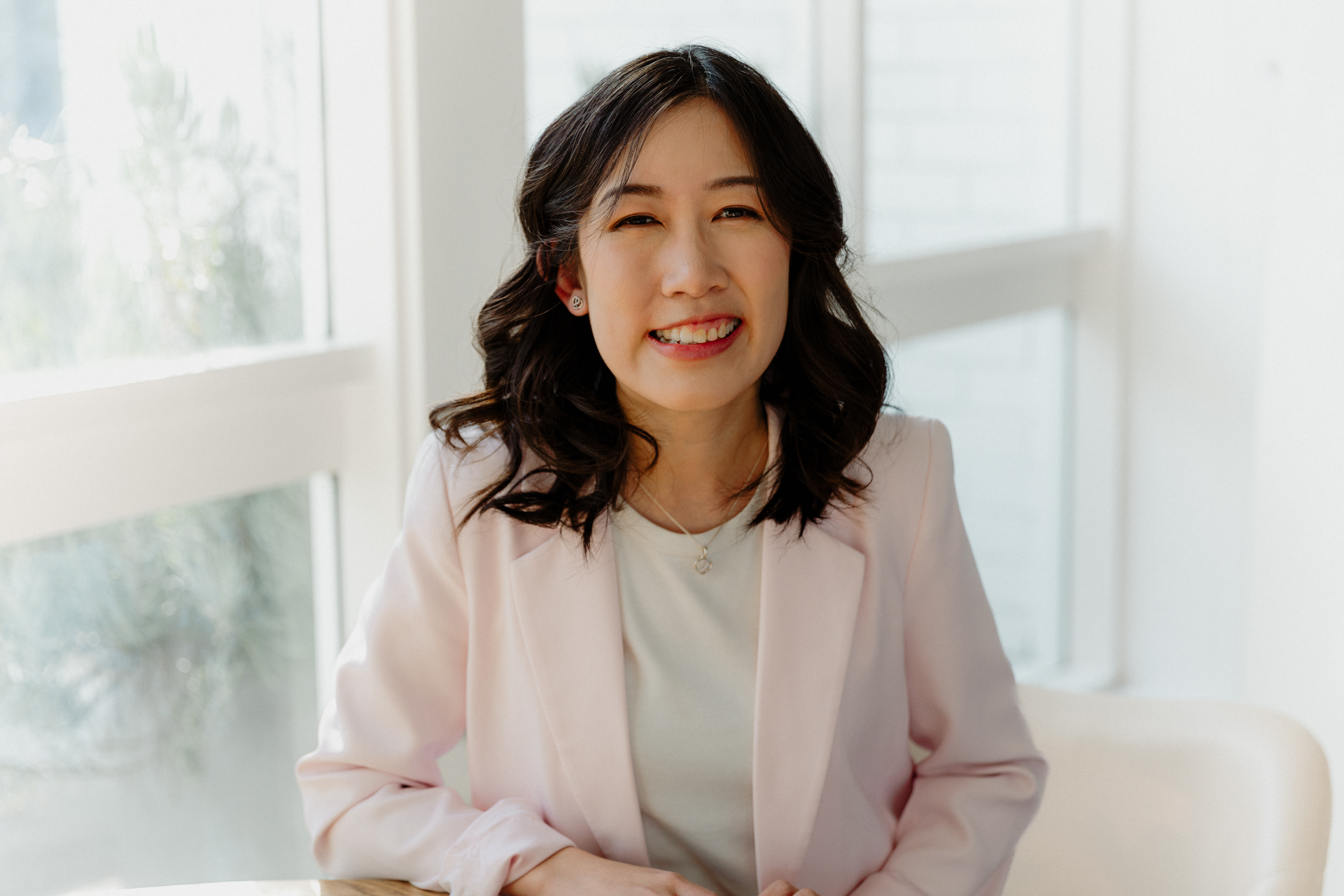
Cindy Ho
I'm a wellbeing facilitator and founder of Rest Without Guilt, certified integrative life coach and yoga and mindfulness teacher.
After a decade in finance, audit, and governance, I transitioned from managing risk in systems and processes to supporting people with the deeper risks we often ignore: neglecting our own needs, pushing through emotional exhaustion, and losing touch with ourselves.
My own journey through burnout, cultural conditioning, migration gave me a deep understanding of why rest feels difficult for so many women, and why emotional safety matters when we try to change our habits and our lives.
Today, I support individuals and teams in restoring their energy, rebuilding self-trust, and creating sustainable wellbeing. My work is grounded in emotional safety, self-leadership, and community care through coaching, group programs, and team facilitation.
Behind the Symbol
When I was choosing a symbol for this work, I kept coming back to a quote from Mulan, my favourite childhood film:
"The flower that blooms in adversity is the most rare and beautiful of all."
Growing up, I thought this quote was about perseverance... about pushing through no matter what.
But my journey through burnout taught me something different.
The adversity is real: the burnout, the conditioning, the guilt. But the focus isn't on the struggle itself.
It's on the beauty that emerges when we give ourselves permission to rest through it.
The flower doesn't bloom despite adversity. It blooms through it.
And sometimes, the most radical thing you can do is rest.
That's why our symbol is a flower.
Because choosing to rest—especially when culture, expectations, and conditioning tell you otherwise—takes courage.
It's rare. It's beautiful. It's necessary.
And if you look closely, the flower tilts slightly.
Rest isn't rigid. It has movement, life, rhythm, just like you don't need to be perfectly aligned to deserve rest.
The design is simple by choice.
Because that's what rest should feel like.
Rest doesn't need to be earned, justified, or complicated.
It just needs space and permission.
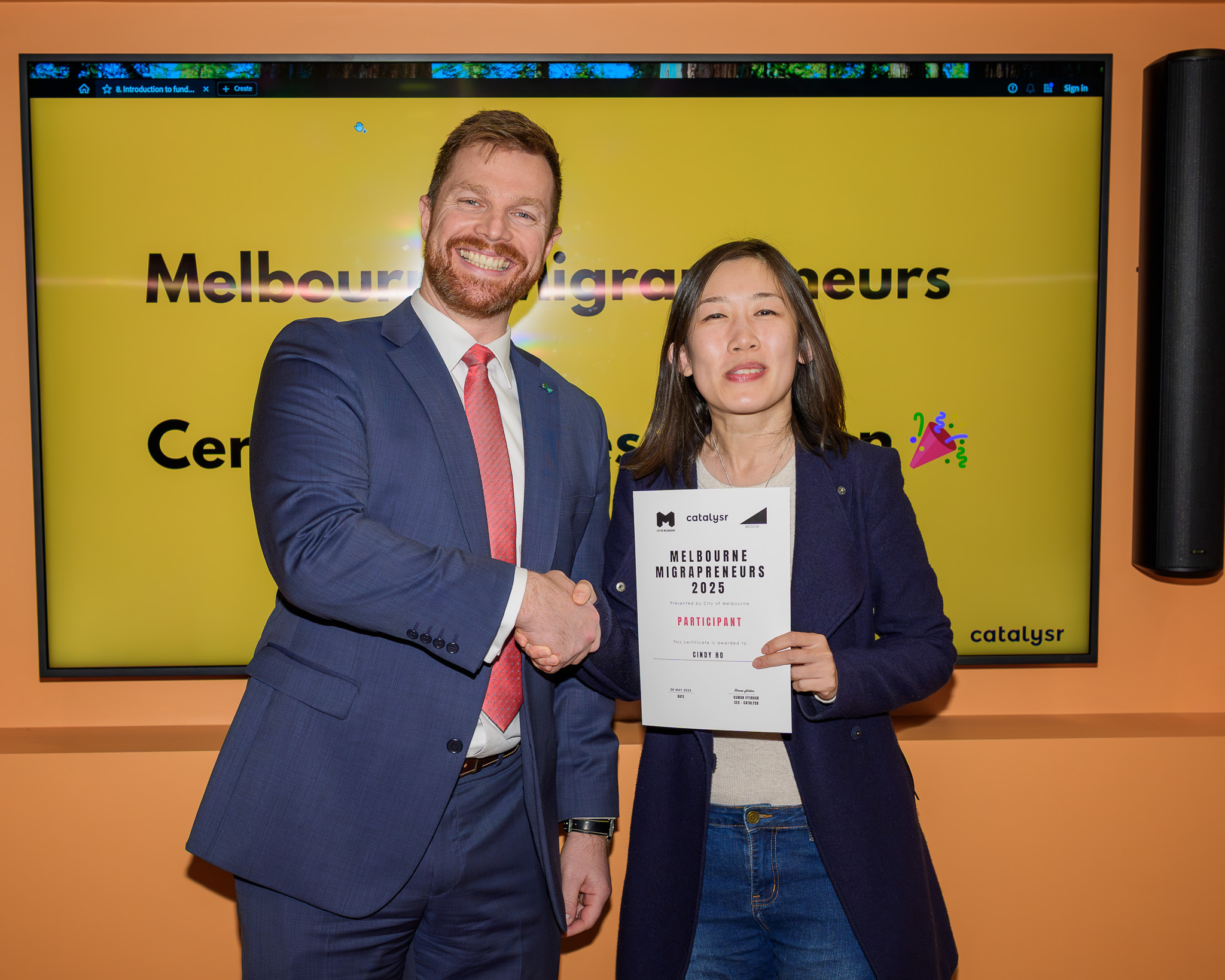
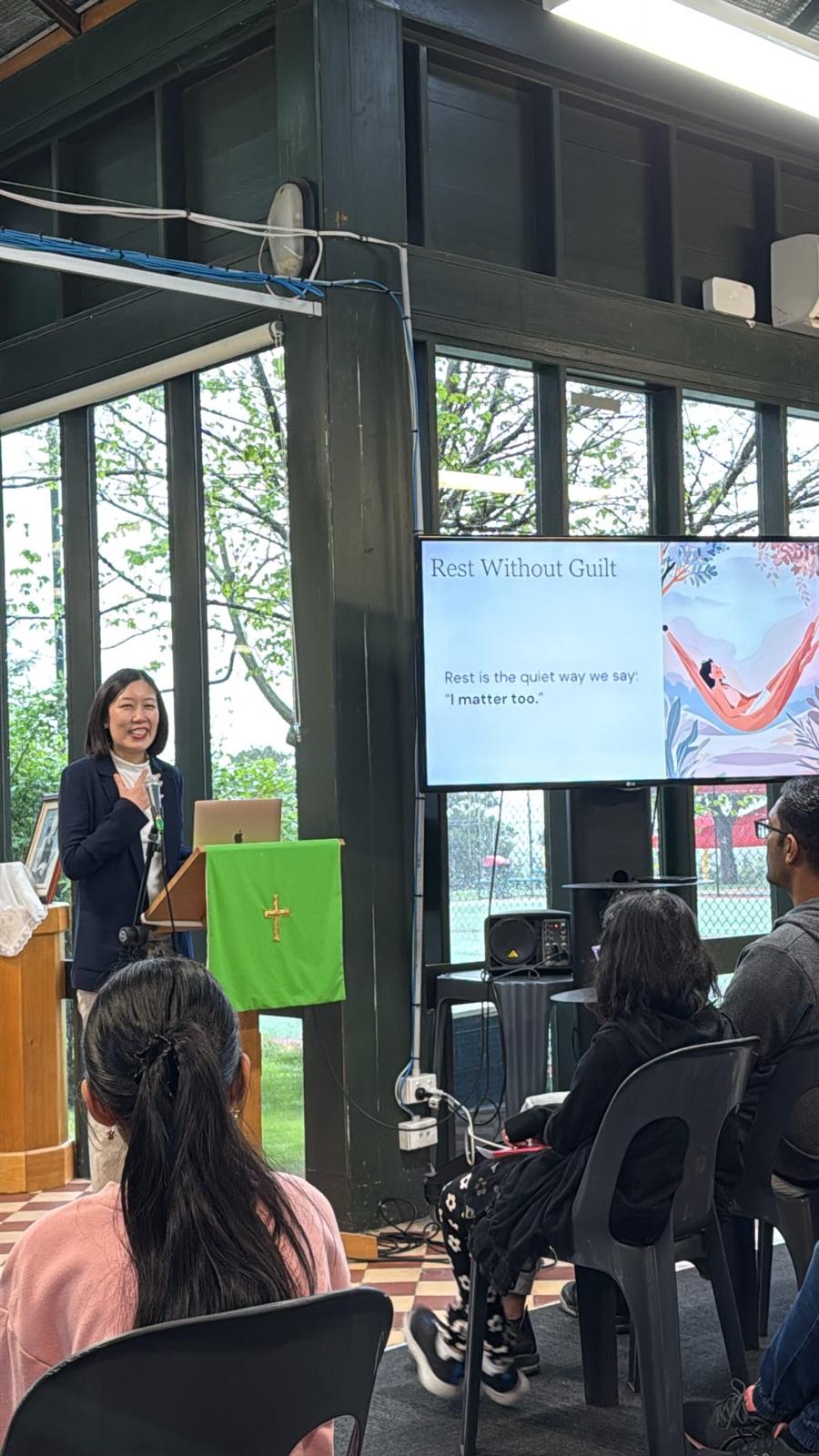
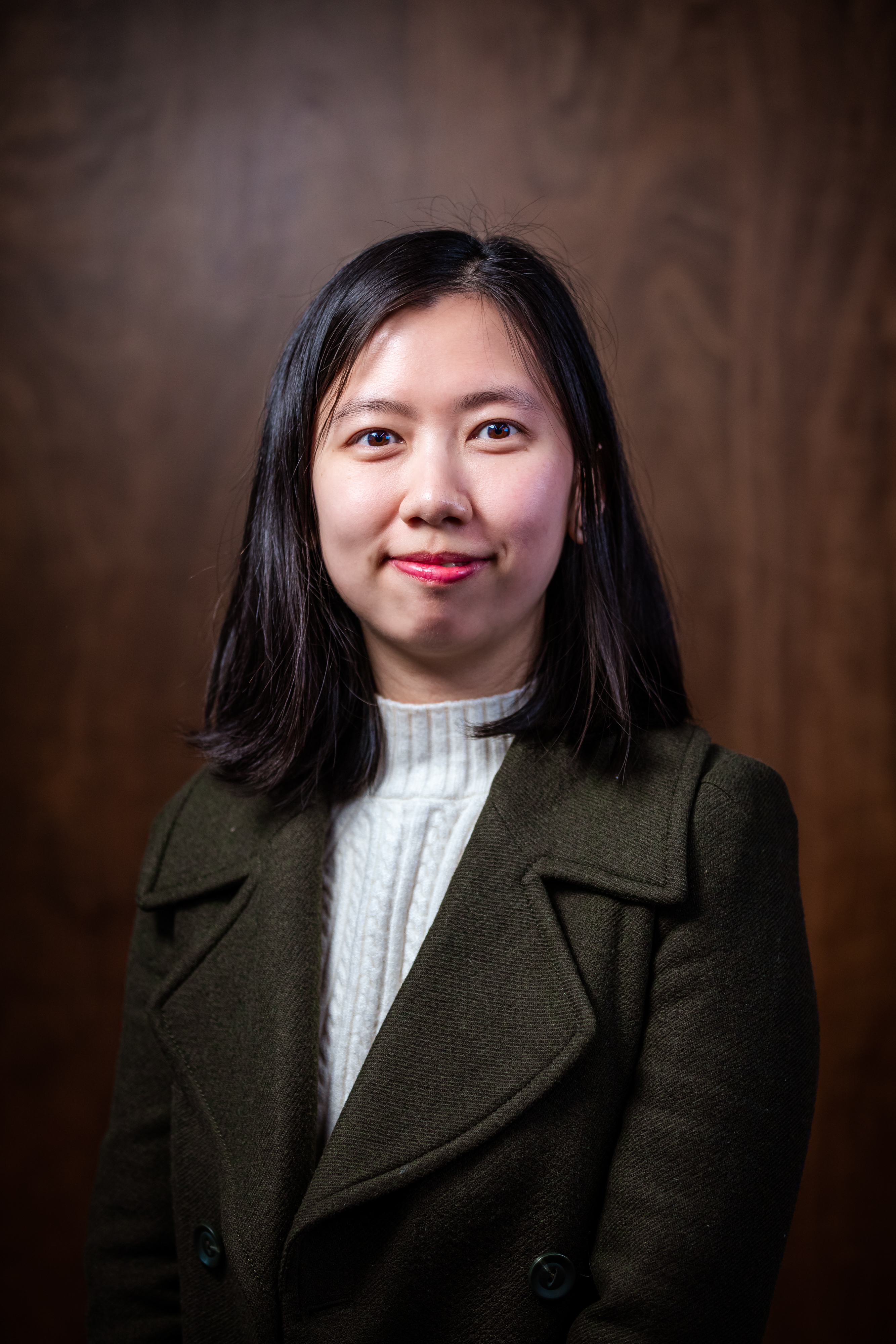
Cinee Ho
For years, I was caught in a cycle of constant doing — long hours, endless to-do lists, and a mind that never truly switched off. Even when I tried to rest, guilt crept in. I’d tell myself I deserved a break, only to end up checking emails or planning my next task.
The more I pushed through, the more I felt disconnected from myself. I thought I just needed more sleep, but no amount of it helped. That’s when I realised: the problem wasn’t just tiredness. It was the belief that I had to earn rest.
Over time, I saw that I wasn’t the only one. So many women, especially those with migrant or cultural expectations, are quietly exhausted — and trying to rest alone.
Rest Without Guilt was born from this realisation: rest doesn’t have to be earned, and it doesn’t have to be lonely. When we rest together, we begin to heal.
We acknowledge the Wurundjeri Woi Wurrung people of the Kulin Nation as the Traditional Custodians of the lands where we gather, learn, and rest.
We pay our respects to Elders past, present, and emerging.